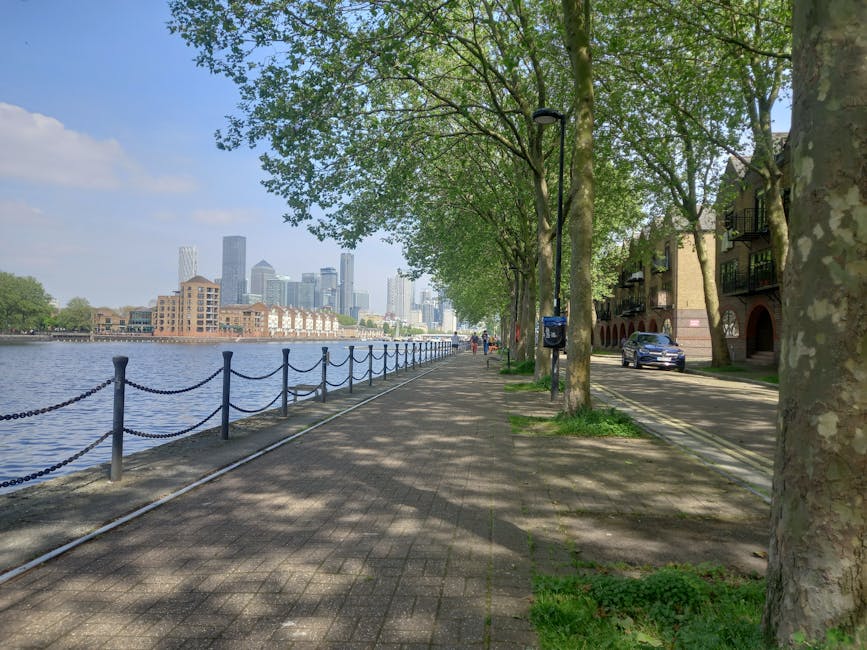
Surrey Quays to Rotherhithe removals best local loading points: a practical local guide
If you are planning a move from Surrey Quays to Rotherhithe, the loading point matters more than people sometimes expect. A good loading spot can save time, reduce stress, and stop the whole day from turning into one of those mildly chaotic London stories you later laugh about. A poor one? You will feel it straight away: awkward carrying distances, blocked bays, extra waiting, maybe even a rushed lift down the stairs at the worst possible moment.
This guide explains Surrey Quays to Rotherhithe removals best local loading points in plain English. It covers why the loading position matters, how to choose a sensible pickup and drop-off point, what to watch for on local streets, and how to plan a move that feels controlled rather than improvised. Whether you are moving a flat, a family home, or a small office, the same principle applies: the closer your van can get, the smoother the day usually goes.
You will also find practical comparisons, a step-by-step process, a checklist, and a few realistic examples from the sort of moving jobs that crop up around SE16. Let's face it, most moving problems are not dramatic in themselves. They are small things stacked on top of each other. That is why the best loading point is not just convenient; it is a proper part of the moving plan.
Table of Contents
- Why Surrey Quays to Rotherhithe removals best local loading points Matters
- How Surrey Quays to Rotherhithe removals best local loading points Works
- Key Benefits and Practical Advantages
- Who This Is For and When It Makes Sense
- Step-by-Step Guidance
- Expert Tips for Better Results
- Common Mistakes to Avoid
- Tools, Resources and Recommendations
- Law, Compliance, Standards, or Best Practice
- Options, Methods, or Comparison Table
- Case Study or Real-World Example
- Practical Checklist
- Conclusion
- Frequently Asked Questions
Why Surrey Quays to Rotherhithe removals best local loading points Matters
Loading points matter because moving is mostly a logistics game. A van parked the right way up close to the entrance means fewer trips, less carrying, less chance of damage, and less time with doors open while boxes wait in limbo. In a built-up part of London, that is not a small advantage. It is the difference between an efficient move and a messy one.
On routes between Surrey Quays and Rotherhithe, local streets, access restrictions, shared residential roads, estate layouts, and parking controls all influence where you can load safely. Even if the move itself is short, access can be oddly tricky. A two-minute drive can still involve a long walk from the van, or a narrow turning area that is fine for a small removal van but awkward for a larger one.
There is also a very human side to it. People often underestimate the fatigue factor. Carrying a washing machine from a distant bay in the drizzle at 8:15 in the morning sounds manageable on paper. In real life, it is the kind of task that makes everyone a little more short-tempered than they planned to be.
Choosing the best local loading point is about reducing friction. Simple as that. It helps with:
- keeping furniture handling safer
- protecting floors, walls, and door frames
- cutting down on loading time
- making parking enforcement less likely to become a problem
- keeping the move calmer for everyone involved
If you are comparing options, it can help to think about the move as a chain. Access, parking, lifting route, van size, and timing all affect each other. One weak link can slow the whole day down. That is why many people use a service approach rather than a simple van-and-go approach, such as a flexible man and van setup or a more structured removal services package depending on how much you are moving.
How Surrey Quays to Rotherhithe removals best local loading points Works
In practice, the process starts before moving day. A good local loading point is chosen based on three things: how close the van can get, how long it can stay there, and how easy it is to move items between the property and the vehicle. That sounds obvious, but people often focus only on the destination and forget the actual loading route.
The best local loading points around Surrey Quays and Rotherhithe are usually the ones that balance convenience with legality. You want enough room for a van to stop without causing unnecessary disruption, but you also need to avoid making assumptions. A place that looks ideal at 7 a.m. may be a bad idea once residents, deliveries, and local traffic wake up properly.
Here is how a sensible loading plan usually works:
- Check the property entrance and nearest stopping options.
- Measure the distance from the door to the likely van position.
- Consider stairs, lifts, shared corridors, and turning space.
- Match the van size to what the street can realistically handle.
- Allow time for parking, unloading, and any short carry from the van.
- Build a backup plan in case the first spot is taken or restricted.
For a flat move, a short loading distance is often more valuable than a slightly larger vehicle. For a larger household move, a larger van may still be right, but only if the loading point is practical. The key is fit, not just capacity.
To make this more concrete: imagine moving from a second-floor flat near Surrey Quays into a home in Rotherhithe with tight road access. If the van can park right outside for a controlled period, everything runs more smoothly. If it ends up two streets away, you are suddenly dealing with extra carrying time, more risk of knocks, and more chances for items to be put down and picked up repeatedly. Not ideal.
If you want a broader understanding of scheduling and access decisions, it can be worth reading about same-day van hire versus scheduled moves in Rotherhithe and comparing that with the sort of route planning used for local removal routes from Surrey Quays. The point is not to overcomplicate it. It is to avoid improvising on the day.
Key Benefits and Practical Advantages
When the loading point is chosen well, the benefits show up quickly. Sometimes the difference is almost invisible to the customer because the day simply feels less stressful. That is actually a good sign. The best removals often look boring from the outside. No drama. No scrambling. No one trying to wedge a sofa through a bad angle while everyone watches in silence.
Here are the main advantages of planning local loading points properly:
- Shorter carry distances: Less walking means fewer pauses and lower physical strain.
- Lower risk of damage: Furniture is moved fewer times and handled more carefully.
- Better timing: The van can be loaded and unloaded faster, which helps if access is limited.
- Less disruption: Neighbours, residents, and building managers are less likely to object if the move is controlled.
- More predictable costs: Time lost to parking problems can affect labour and vehicle hire.
- Safer lifting: Shorter routes reduce the temptation to rush or take awkward shortcuts.
There is also a quiet benefit that people do not always mention: morale. A move that starts well tends to stay better. If the first ten minutes are smooth, the team settles, the customer relaxes, and the day stops feeling like a negotiation with the pavement.
For furniture-heavy jobs, loading point choice can even influence what services make sense. For example, if you have bulky items, you might benefit from a dedicated furniture pick up arrangement, while larger households often do better with structured home moves. Commercial customers, meanwhile, may need something more coordinated, such as commercial moves or office removals.
Who This Is For and When It Makes Sense
This topic is relevant to anyone moving within or between the Surrey Quays and Rotherhithe area, but it is especially useful if access is tight. If your building has a shared entrance, limited estate parking, or a narrow road approach, loading-point planning becomes essential rather than optional. Truth be told, even people moving a small one-bedroom flat can run into trouble if they leave it too late.
It makes sense for:
- tenants moving in or out of flats
- homeowners with limited driveway or street access
- landlords arranging quick turnaround moves
- students or sharers with multiple small loads
- local businesses shifting stock or office items
- families coordinating children, pets, and furniture on the same day
It is also useful if you are deciding between a van-only move and a fuller removal package. If the route from property to loading point is straightforward, a simple van hire can work well. If there are stairs, awkward timing windows, or heavier items, you may want more help. A lot depends on the building and the street, not just the volume of boxes.
Some people ask, "Do we really need to think this hard about a short local move?" Usually, yes. Especially in London. A local move can feel deceptively simple, but the access details are often exactly where the time goes. That is why readers often look at removals near me options and then quickly discover that the local operational details matter just as much as the postcode.
Step-by-Step Guidance
Here is a practical way to plan the best loading point for a Surrey Quays to Rotherhithe move without overthinking it.
- Walk the route first. Start at the front door and walk to the nearest place a van could realistically stop. Measure the distance with your eyes, not just in theory. If you have a long carry, note slopes, kerbs, steps, and doors that stay awkwardly propped open.
- Look for the least disruptive stopping point. The best spot is not always directly outside. Sometimes a nearby bay or wider section of road is better because it allows safer manoeuvring.
- Check timing pressures. Morning and late afternoon can behave very differently. A bay that looks available at 9 a.m. might be gone by 10 a.m. If your move can start early, that often helps.
- Match the vehicle to the access. Do not assume a larger van is automatically better. In tight residential roads, a slightly smaller vehicle can be easier and quicker to load.
- Keep the door-to-van route clear. If the building has obstacles, bins, bikes, or temporary works, sort them out before the lift begins. A clear path is underrated.
- Have the essentials ready. Keys, tape, labels, blankets, and protective covers should all be close to hand. You do not want someone disappearing to "just find the kettle box" while the van waits.
- Build in a backup. If the first stopping point is blocked, know the second-best option before moving day starts.
If you are booking a professional team, ask how they plan parking and loading access. Good movers usually think about this straight away. If they do not, that is a fair warning sign. It is also sensible to check practical service details in advance through pages such as pricing and quotes and the company's insurance and safety information, because access decisions and protection standards go hand in hand.
Expert Tips for Better Results
Here are the small things that tend to make a surprisingly big difference. Not glamorous, but effective. The sort of things experienced movers notice immediately.
- Start with the heaviest item first. If the loading point is far from the door, load the bulky stuff early while everyone has energy and the route is still clear.
- Protect pinch points. Hallways, corners, and front steps are where scrapes happen. A few extra seconds of care here saves a lot of grief later.
- Use labels that mean something. "Kitchen" is fine. "Bits" is not. Your future self will thank you.
- Keep one person on traffic watch. In a busier residential street, one person observing the van position and surroundings helps a lot.
- Plan for rain. London weather being London weather, a dry route can become a wet one faster than you expect. Boxes and handles get slippery. It happens.
- Think about the return path. Once the van is loaded, can it leave easily, or will it need a careful turn? That detail can slow things down if ignored.
One experienced habit is to load by sequence rather than by guesswork. Put items on the van in a way that supports unloading order, especially if the destination has limited parking too. You do not want to bury the essentials beneath the sofa and three boxes of books. Happens more often than people admit.
If you are dealing with delicate or awkward items, professional packing and wrapping can make the loading point less risky. Services such as packing and unpacking services or a well-organised man with van removal can be a sensible fit when time is tight and the route is not ideal.
Common Mistakes to Avoid
Most loading-point mistakes are avoidable. That is the annoying part. People often know something may be awkward and then hope it will work itself out. Sometimes it does. Often it does not.
- Assuming outside access will be fine: A road may look calm but still be awkward for stopping, especially if there are resident bays or delivery conflicts.
- Forgetting building access details: Locked gates, fob systems, lift restrictions, and one-way internal routes can all slow loading.
- Choosing the wrong vehicle size: Too big can create parking trouble; too small can mean extra trips.
- Leaving loading too late: If the best space is time-sensitive, a delayed start can ruin the plan.
- Ignoring bulky items: Sofas, wardrobes, and appliances need more room than boxes, and they often dictate the whole layout.
- Not communicating with neighbours or building staff: A simple heads-up can avoid objections and awkwardness.
There is a particular kind of last-minute panic that comes from realising the loading bay is on the wrong side of the building and the lift is out. Nobody enjoys that moment. Better to ask the awkward questions before the van arrives.
If you want to reduce the chance of hidden problems, it is worth reading practical guides like spotting hidden removal fees in Rotherhithe quotes and Rotherhithe street parking and loading bay guidance. The first helps with budgeting; the second helps with street-level reality.
Tools, Resources and Recommendations
You do not need a van full of specialist kit to plan a decent loading point, but a few practical tools help. A tape measure or measuring app, a phone camera for access photos, labels, packing tape, a floor plan sketch, and a simple written timeline can all save time. Nothing fancy. Just useful.
It also helps to gather a small move pack before the day starts:
- keys and fobs
- parking or access instructions
- building manager or concierge contact details, if relevant
- box labels
- blankets or wraps for furniture
- basic cleaning supplies
- water and snacks, because yes, those matter more than people think
If you are choosing a service level, the right support depends on the complexity of the loading point. For straightforward jobs, a man with a van may be enough. For bigger properties or more demanding access, a fuller removal company approach may be more appropriate. And if you need to compare options carefully, the removal companies page can help you think through the type of support you actually need.
If your move includes extra items such as appliances, consider whether specific handling is needed. For example, bulky fridges or freezers can be awkward near tight loading spots, and specialist moving advice is often worth reading before the day. Same with mattresses, sofas, and heavy pieces that do not like sharp corners. They never do, to be fair.
Law, Compliance, Standards, or Best Practice
For local loading points in Surrey Quays and Rotherhithe, the main compliance issues usually relate to parking, access, building rules, and safe handling. Exact parking arrangements can vary street by street and site by site, so it is wise to confirm the local setup rather than rely on memory or guesswork. If a loading bay exists, it may still have time limits, permit requirements, or building-specific conditions.
Professional movers also have responsibilities around safe lifting, secure loading, and damage prevention. That does not mean every move needs a formal checklist full of jargon. It does mean the team should think about manual handling, vehicle safety, and whether a load is stable before the van moves off. Common-sense best practice, basically, but in a structured way.
Insurance is another area where caution helps. If you are moving valuable or fragile items, it is worth understanding what is covered and what is not. A good mover should be able to explain the practical side in plain English. If they cannot, I would be careful.
For a deeper look at responsible moving practices, the company's health and safety policy and insurance and safety pages are useful reference points. If you are also clearing items during the move, the approach should align with sustainability and disposal best practice, which is why a page like recycling and sustainability can matter too.
One small but important point: if your loading point blocks a shared road, building access, or pedestrian route, the safe and courteous option should come first. A move that irritates everyone else can become a lot more stressful than it needs to be.
Options, Methods, or Comparison Table
Different moves call for different loading-point strategies. Here is a simple comparison that may help you decide what fits your situation best.
| Method | Best for | Strengths | Limitations |
|---|---|---|---|
| Direct kerbside loading | Short, easy-access residential moves | Fast, simple, minimal carrying | Depends on parking availability and local restrictions |
| Nearby bay loading | Managed streets with clear stopping areas | More controlled, often safer for longer jobs | Extra carry distance may slow the move |
| Estate or courtyard loading | Flats and managed blocks | Can reduce public street disruption | May require permission or access coordination |
| Two-person carry from a set point | Heavy furniture or awkward buildings | Safer for stairs and bulky items | Needs more time and better planning |
| Small-van, multiple-trip approach | Tight access roads or limited stopping | Flexible and often easier to position | Can take longer overall |
The right option is usually the one that gives you the least drama, not the one that looks biggest on paper. For a lot of local jobs, a smaller, easier-to-place vehicle beats a large van that creates parking friction. A sensible setup also reduces the risk of awkward unloading later, especially if you are moving into a street with similar access limits.
If the move involves multiple addresses or a more complicated day, it may help to compare broader service options such as house removals, house movers, or moving van hire depending on the scale of the job.
Case Study or Real-World Example
Imagine a fairly typical local move. A couple is moving from a second-floor flat near Surrey Quays into a smaller home in Rotherhithe. They have a sofa, bed frame, wardrobe, several boxes of books, and a few awkward kitchen items. At first they think any nearby space will do. But once the route is checked, they realise the nearest obvious stopping place would mean a long carry past bins, a corner with poor sightlines, and a slightly awkward entrance step.
Instead, they choose a better nearby loading point with easier vehicle access, even though it is not directly outside the front door. That small choice changes the whole day. The van can stop more safely. The team can load in a sensible sequence. Nothing gets rushed at the staircase. The sofa goes in without a struggle. The couple still has to work, of course, but the move feels orderly rather than exhausting.
Later that same afternoon, they notice something funny: the boring planning bit saved most of the energy. That is often how it goes. The "best" loading point is not the one that looks clever on a map. It is the one that makes the physical work kinder and the timing more predictable.
If you want a guide that looks at a nearby access issue from another angle, the article on Rotherhithe Overground removals pickup and drop-off offers a useful perspective on how access and timing can shape the whole removal experience.
Practical Checklist
Use this checklist before moving day. It is simple, but it catches a lot of avoidable problems.
- Confirm the exact pickup and drop-off addresses
- Check whether the loading point is on-street, estate-based, or managed by a building
- Measure the carry distance from door to van position
- Identify stairs, lifts, gates, or narrow turns
- Check whether parking restrictions apply at the planned time
- Decide whether a small, medium, or larger van is the better fit
- Notify building managers or neighbours if needed
- Prepare fragile items with proper wrapping
- Keep keys, fobs, and access instructions ready
- Have a backup loading point in mind
- Load heavy items first if access allows
- Confirm insurance and service details before the job begins
A quick pre-move walk-through really does help. You do not need a clipboard and a hard hat. Just five calm minutes and a bit of attention. That is enough to avoid a lot of hassle later.
For anyone wanting the move to feel more organised from the start, practical planning pages such as decluttering before packing and expert packing strategies are worth a look. Less clutter usually means a cleaner loading route, too.
Conclusion
Choosing the Surrey Quays to Rotherhithe removals best local loading points is less about being clever and more about being prepared. The right loading point shortens carry distances, reduces risk, and helps the day stay calm. That is true whether you are moving a studio flat, a family home, or a small office with far more boxes than you expected.
The main thing to remember is that access is part of the move, not an afterthought. If you get the loading point right, nearly everything else becomes easier: lifting, timing, parking, and even the mood on the day. And honestly, that matters. A smooth move feels better in your body and in your head.
Get a free quote today and see how much you can save.
If you are still comparing options, take a final look at the access, the vehicle size, and the service level you actually need. Then trust the plan. It does not need to be perfect. It just needs to be sensible, and that is usually enough to make the day go well.
Frequently Asked Questions
What are the best local loading points for a Surrey Quays to Rotherhithe move?
The best loading point is usually the closest safe stopping place that keeps the van legally positioned and the carry route short. In practice, that may be a kerbside space, a bay, or an estate access point depending on the building and the time of day.
How do I know if a loading point is suitable for removals?
Check whether the van can stop safely, whether there is enough room to open doors and carry items, and whether the route from the property is clear. Also consider timing restrictions, local parking controls, and any building rules.
Do I need a permit for loading in Surrey Quays or Rotherhithe?
It depends on the street, the bay, and the local arrangement. Some areas allow short loading, while others have more specific rules. Always confirm the current situation before moving day rather than assuming it will be fine.
Is a smaller van better for local removals in SE16?
Not always, but often yes if access is tight. A smaller van can be easier to position and may reduce parking stress. If you have a lot of items, though, you need to balance access against total load capacity.
How far is too far for a loading point?
There is no universal distance, but the further the carry, the more time, effort, and risk you add. Once you go beyond a short and comfortable route, it becomes more important to use proper protection and enough people for the job.
What should I do if the nearest parking space is already taken?
Have a backup spot in mind before the van arrives. If the first choice is occupied, use the next best legal and safe option rather than forcing a poor setup. A quick re-route is usually better than a bad load position.
Can loading point choice affect the cost of a move?
Yes. Longer carry distances and awkward access can increase the time needed, which may affect the price depending on how the service is charged. Clear access usually helps keep the move more efficient.
What if I am moving heavy items like a sofa or wardrobe?
Then loading point choice becomes even more important. Heavy items are easier and safer to handle when the van can park close to the entrance and the route is free from obstacles. A shorter, clearer path is usually best.
Should I tell the moving team about access issues in advance?
Absolutely. Give them details about stairs, gates, parking, lifts, narrow roads, or anything that could slow the job down. Good movers can plan around problems, but only if they know about them early.
Are same-day removals harder to manage with local loading points?
They can be, because there is less time to confirm parking and access details. That does not make them impossible, but it does make preparation more important. A planned booking is usually easier to control.
What is the biggest mistake people make with loading points?
The biggest mistake is assuming the nearest spot is automatically the best one. Sometimes a slightly different position is safer, quicker, and far less stressful. The best option is the one that works in real life, not just on paper.
How can I make my move smoother if access is tight?
Prepare early, measure the carry route, choose the right vehicle size, and keep the loading path clear. A professional team with local experience can also help you avoid the usual access traps. That little bit of planning goes a long way.
Is professional help worth it for a short local move?
If access is simple, maybe not. But if parking is tight, the building is awkward, or you have bulky items, professional help can save time and prevent damage. Short move, yes - easy move, not always.