




SE16 moving checklist for Bermondsey Wall and Greenland Dock
Posted on 02/06/2026
SE16 Moving Checklist for Bermondsey Wall and Greenland Dock: A Practical Guide for a Smoother Local Move
Moving in SE16 can feel straightforward on paper, then suddenly a bit chaotic in real life. Lifts are busy, parking is awkward, the hallway is narrower than you remembered, and there's always one box that goes missing just when you need the kettle. This SE16 moving checklist for Bermondsey Wall and Greenland Dock is designed to keep the whole process calm, organised, and realistic for local homes and flats.
Whether you're moving out of a riverside apartment near Greenland Dock, a period flat by Bermondsey Wall, or a family home elsewhere in the Rotherhithe and SE16 area, the same principle applies: plan early, pack smart, and reduce surprises. Below, you'll find a step-by-step guide with local moving advice, practical reminders, and the small details that tend to make the biggest difference.
Why SE16 Moving Checklist for Bermondsey Wall and Greenland Dock Matters
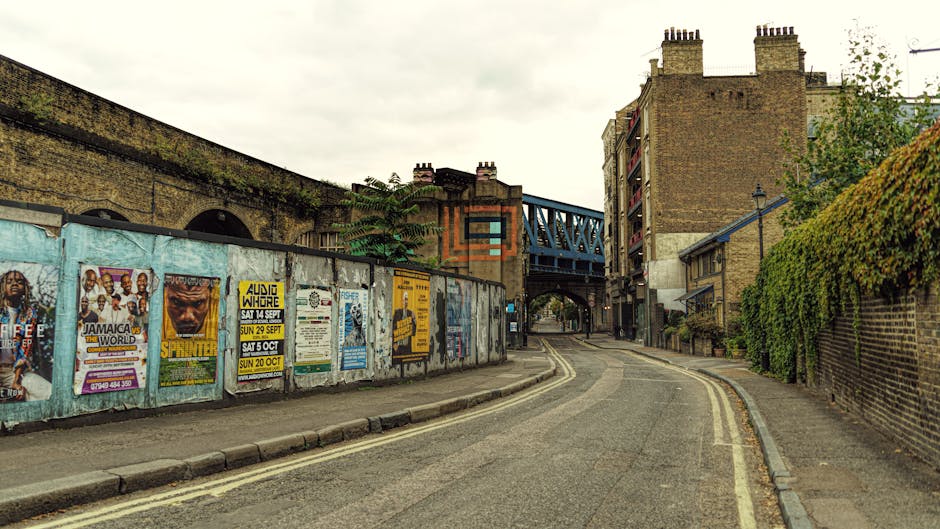
Local moves are rarely difficult because of distance. They're difficult because of all the moving parts, literally and otherwise. In Bermondsey Wall and Greenland Dock, you may be dealing with apartment blocks, tight entrances, loading restrictions, shared access points, or limited time windows for parking and collection. That's why a proper moving checklist is not just a nice extra; it's a practical safeguard.
A good checklist helps you see the whole move at once. It stops important tasks from getting lost in the noise: notifying utility providers, defrosting appliances, arranging boxes, measuring furniture, and making sure your keys, documents, and essentials don't disappear into a random carton labelled "misc." If you've ever moved and found yourself hunting for a toothbrush at 11 p.m., you'll know exactly what I mean.
For SE16 residents, the checklist also helps reduce last-minute pressure on moving day. A lot of local moves involve flats, higher floors, or shared buildings, so it pays to think about lift access, stair widths, parking bays, and the route from the van to the front door. Those small details can either save you a lot of time or add a fair bit of stress. Truth be told, most moving problems are not dramatic - they're just annoying enough to snowball.
If you want a broader look at how to keep a move calm, the guide on achieving a calm and easy house move pairs well with this article.
How SE16 Moving Checklist for Bermondsey Wall and Greenland Dock Works
The checklist works by breaking the move into stages rather than trying to solve everything on one frantic weekend. That matters because moving is a process, not a single event. You prepare, sort, pack, move, settle, and then tidy up. Each stage has its own risks and jobs.
At a practical level, the checklist should be used in three layers:
- Planning layer: dates, contracts, utility transfers, building access, and booking help.
- Packing layer: decluttering, wrapping, labelling, and separating essentials.
- Move-day layer: loading order, route planning, cleaning, final checks, and handover.
That structure is useful because it stops you overpacking the wrong things at the wrong time. For example, people often box up everyday items too early, then end up living out of takeaways and half-empty drawers. Not ideal. It's much better to keep a working system: pack by room, label clearly, and leave a separate essentials bag for the first 24 hours in the new place.
This is also where a local service can help. If you need transport, lifting support, or help with awkward access, the team behind removal services in Rotherhithe can fit into the plan rather than interrupt it.
Key Benefits and Practical Advantages
A structured moving checklist gives you more than order. It changes the feel of the move itself.
- Less stress: you know what has been done and what still needs attention.
- Fewer damaged items: proper wrapping and box selection reduce breakages.
- Better time control: tasks are spread out instead of crammed into one painful day.
- Lower moving costs: a well-packed move usually saves time, which can save money too.
- Safer lifting: planning ahead reduces rushed carrying and awkward solo lifts.
- Smoother handover: cleaning, meter checks, and key return are easier when they're scheduled.
There's also a quieter benefit: confidence. When you've done the basics properly, you stop second-guessing every small step. You don't have to keep asking, "Did I pack the plug adapters? Where's the lease? Who has the spare keys?" It all becomes manageable.
For larger or furniture-heavy moves, the benefits grow even more. If you're relocating bulky wardrobes, sofas, dining tables, or similar items, it helps to review furniture removals in Rotherhithe before deciding whether to move them yourself or bring in help.
Who This Is For and When It Makes Sense
This moving checklist is useful for almost anyone relocating within or from SE16, but it's especially handy if you fall into one of these groups:
- Flat movers: especially if you're using lifts, stairwells, or shared entrances.
- Families: because children's routines, school runs, and household essentials complicate timing.
- Students: who often need fast, affordable, and compact moving plans.
- Homeowners: managing multiple rooms, garden items, or long-distance timing.
- Renters: who need to hand back a spotless property and stay on top of deposits.
- Small businesses and remote workers: who need to keep equipment safe and downtime low.
It also makes sense if you're moving on a tight schedule. A same-week move near Bermondsey Wall or Greenland Dock can feel a bit intense, especially if you're waiting on completion, keys, or building access. In that case, the helpful thing is not more panic. It's more structure.
For shorter notice jobs, you might also want to look at same-day removals in Rotherhithe and decide whether quick support is the cleaner option.
Step-by-Step Guidance
Here's the practical side of the checklist. Keep it simple, but don't skip the details that matter.
1. Start with a moving date and a rough timeline
Once your moving date is fixed, work backwards. Mark key dates for decluttering, packing, utility notifications, cleaning, and any access arrangements. If your building needs prior notice for a lift booking or parking permit, leave room for that. It sounds obvious, but people still leave this until the last moment and then wonder why the day feels rushed.
2. Declutter before you pack
Do not pack everything just because it exists. Sort items into keep, donate, recycle, and discard. This is one of the easiest ways to reduce the volume of stuff you need to move, and it makes unpacking far easier on the other side. If you're unsure where to begin, the guide on decluttering before packing gives a very practical starting point.
3. Gather packing materials early
You'll usually need sturdy boxes, tape, marker pens, bubble wrap or paper, mattress covers, furniture blankets, and bags for loose items. A surprising amount of moving stress comes from not having enough materials. Then you end up stuffing plates into old shopping bags, which, let's face it, is never a confident strategy.
4. Pack by room and label clearly
Room-by-room packing keeps unpacking sensible. Label each box with the room name, a short description, and whether it's fragile. You can go one step further and number the boxes, for example "Kitchen 1 of 8", which makes it easier to check nothing is left behind. Keep the most-used things easily reachable.
5. Prepare appliances and furniture properly
Appliances need time. Freezers, for example, must be unplugged and defrosted in advance so they do not leak during transit. If you're moving a freezer, the article on storing a freezer properly when unplugged is worth reading. For beds and mattresses, check the guide on bed and mattress relocation, because these items often need more care than people expect.
6. Confirm access, parking, and loading arrangements
This is one of the most local parts of the whole process. Bermondsey Wall and Greenland Dock can involve street layouts, building rules, shared loading spaces, and narrow internal routes. Check where the van can stop, whether there are time restrictions, and whether you need a helper to manage the handover between building and vehicle. If access is awkward, planning the route matters almost as much as the lifting itself.
7. Keep an essentials bag aside
Pack one clearly marked bag or case with the things you'll need immediately: phone charger, medication, toiletries, keys, documents, snacks, kettle items, a change of clothes, and basic cleaning supplies. The first evening in a new place is always a little odd. Having these items close at hand makes it feel less like camping in your own life.
8. Do a final sweep before you leave
Check cupboards, window ledges, lofts, under beds, behind doors, and inside the washing machine. Take meter readings, photographs if needed, and confirm keys are handed over correctly. A good final sweep saves expensive mistakes and awkward calls later.
For a more detailed moving workflow, the article on expert packing strategies can help tighten up your process.
Expert Tips for Better Results
Some moving advice is plain common sense, but a few small adjustments can make a noticeable difference. Here are the ones that tend to matter most in real homes and flats.
- Pack a little lighter than you think: overfilled boxes are harder to carry and more likely to split.
- Use soft items as padding: towels, bedding, and jumpers can protect fragile items and save space.
- Take photos of cable setups: your future self will be grateful when reconnecting TVs, routers, or workstations.
- Disassemble furniture early: don't leave that until the van is waiting outside.
- Keep screws and fittings together: a small labelled bag taped to the item often works well.
- Protect corners and floors: especially in rental properties or shared hallways.
- Don't ignore awkward items: pianos, large mirrors, and heavy desks usually deserve specialist handling.
One useful habit is to pack for arrival, not just departure. Ask yourself: what will I need first? That question cuts through a lot of confusion. The box with bedding, soap, chargers, and the kettle setup is far more useful than the one full of random office stationery.
If your move includes heavy-lifting challenges, the guide on lifting heavy items solo and the article on kinetic lifting may help you avoid avoidable strain.
Common Mistakes to Avoid
Most moving mistakes are not huge disasters. They're usually the little things that build up. Here are the ones I'd keep an eye on.
- Leaving packing too late: a rushed pack is usually a messy pack.
- Using weak boxes: second-hand boxes can be fine, but only if they're still sturdy.
- Forgetting access details: stairwells, lift bookings, and parking permissions matter more than people expect.
- Mixing room contents: it makes unpacking slower and more frustrating.
- Ignoring cleaning: especially for rented properties, where presentation matters at handover.
- Overloading one box: books and kitchenware can become brutally heavy, very quickly.
- Not planning for appliances: unplugging a freezer on the day of the move is usually too late.
Another subtle mistake is assuming everything will fit through the same route you used to bring it in. That's not always true. Furniture can catch on corners, and some buildings have access limitations that only become obvious when a sofa is halfway through the doorway. Not fun.
For tricky routes and narrow access in the wider area, the post on moving tips for tricky access jobs is a sensible read.
Tools, Resources and Recommendations
You do not need a mountain of equipment, but the right tools make moving safer and more efficient. Here's a practical starter list.
- Strong boxes: use a range of sizes, with smaller boxes for heavy items.
- Packing tape and tape gun: saves time and keeps seals secure.
- Marker pens and labels: simple, but essential.
- Furniture blankets and wraps: useful for sofas, tables, and white goods.
- Mattress covers: especially helpful in wet weather or shared hallways.
- Hand truck or trolley: useful for heavier boxes and appliances.
- Tool kit: for disassembly and reassembly.
- Cleaning supplies: cloths, bin bags, spray cleaner, and vacuum access.
Some items deserve specialised planning. Sofas should be protected carefully and, if stored for any period, should be prepared properly. The guide on storing your sofa for longevity is useful if you're not moving straight into the new place. If storage is part of the plan, take a look at storage options in Rotherhithe so you can avoid piling everything into a hallway or spare room.
You can also review packing and boxes support in Rotherhithe if you'd rather source the right supplies without guessing.
Law, Compliance, Standards and Best Practice
Moving home or office in the UK involves a few practical duties, and while this article is not legal advice, a cautious approach is always wise. If you are renting, make sure you understand your tenancy obligations, especially around notice, cleaning, meter readings, and returning keys. If you own the property, check completion timing and any building rules that apply to removals.
For shared blocks and managed developments, best practice often includes:
- booking lifts or loading bays in advance where required,
- following building-specific moving times,
- protecting communal areas from damage,
- keeping noise and obstruction to a minimum,
- confirming insurance and liability expectations before moving day.
It is also sensible to use movers who take safety seriously. If you want to understand how a company approaches risk, storage, and handling standards, the pages on insurance and safety and the health and safety policy are useful supporting reads.
For transparency around business practices, you may also find the company's about us page and terms and conditions helpful before booking. If you're comparing providers or just want a clearer idea of next steps, the pricing and quotes page is a sensible place to start.
Options, Methods, or Comparison Table
There are usually three main ways to handle a local move in SE16: do it all yourself, use a man and van service, or book a fuller removals package. The best choice depends on access, volume, time, and how much heavy lifting you want to do yourself. Here's a simple comparison.
| Method | Best for | Pros | Trade-offs |
|---|---|---|---|
| DIY move | Small loads, short distances, flexible schedules | Lowest direct cost, full control | More labour, more risk, more time, harder for large furniture |
| Man and van | Flat moves, single-room moves, moderate volumes | Helpful balance of cost and support, good for local SE16 jobs | May need you to help with packing or loading depending on the job |
| Full removals service | Large homes, busy family moves, fragile or bulky items | More hands, less stress, better for complicated access | Usually the highest cost option |
If you're unsure, think about the heaviest item first. That often tells you everything. A couple of boxes? DIY might be fine. A stairwell, a wardrobe, and a sofa that barely made it through the old hallway? That's a different story.
For many local customers, a middle-ground option works best. The pages for man and van services, man with a van, and removal van hire in Rotherhithe help compare those choices more easily.
Case Study or Real-World Example
Here's a realistic example. Imagine a couple moving from a second-floor flat near Greenland Dock into a new place a short distance away in SE16. They have a sofa, a double bed, a few bookcases, kitchenware, laptops, plants, and a freezer that can't just be unplugged at the last minute. Nothing extreme, but enough to create trouble if handled casually.
They start two weeks ahead. First, they sort out clutter and donate what they no longer need. Next, they book boxes and begin packing non-essentials room by room. Their freezer is dealt with early, not on moving morning. They check whether the building has a lift booking requirement and confirm where the van can stop. They also prepare a small essentials bag with chargers, medication, toiletries, snacks, and tea bags, because no one wants the first night to feel like a minor expedition.
On the day itself, the move goes more smoothly because the route is already clear, the boxes are labelled, and the furniture is ready to load. There's still a bit of noise, a bit of lifting, and somebody inevitably says "where did we put the tape?" - but nothing spirals. That's the win. A good checklist doesn't remove all work; it removes the unnecessary chaos.
If storage or careful rehoming of items is part of your move, the page on keeping your house move calm gives a useful wider perspective.
Practical Checklist
Use this as a working checklist in the final days before the move. It's deliberately plain and practical.
- Confirm your moving date and access times.
- Check parking, loading space, and lift arrangements.
- Declutter each room and remove anything you won't keep.
- Order or collect boxes, tape, labels, and protective wrapping.
- Pack non-essential items first.
- Keep valuables, documents, and keys with you.
- Prepare appliances in advance, especially freezers and fridges.
- Disassemble furniture where sensible.
- Protect floors, walls, and shared hallways if needed.
- Pack an essentials bag for the first 24 hours.
- Take meter readings and photos before leaving.
- Do a final room-by-room sweep.
- Clean the property to handover standard if required.
- Return keys and complete any final admin.
Expert summary: the best SE16 moving checklist is not the most complicated one. It is the one that helps you make decisions early, protect your belongings properly, and avoid last-minute panic on a tight London moving day.
If you still need help at any point, the main removals in Rotherhithe page is a useful place to compare options and see what kind of support fits your move best.
Conclusion
A move in Bermondsey Wall or Greenland Dock does not have to feel overwhelming. With the right checklist, the whole thing becomes more manageable: you pack with purpose, book the right support, plan for access properly, and avoid the kind of small mistakes that steal time and energy. That is usually what people want most anyway - a move that feels steady, not dramatic.
Keep the process simple, stay ahead of the awkward jobs, and treat the final day as a controlled sequence rather than a scramble. If you do that, you'll feel the difference. Not perfection. Just calm, practical progress. And honestly, that's what makes a good move.
Get a free quote today and see how much you can save.
To discuss your move or ask a quick question, you can also use the contact page. A short conversation now can save a lot of fuss later.