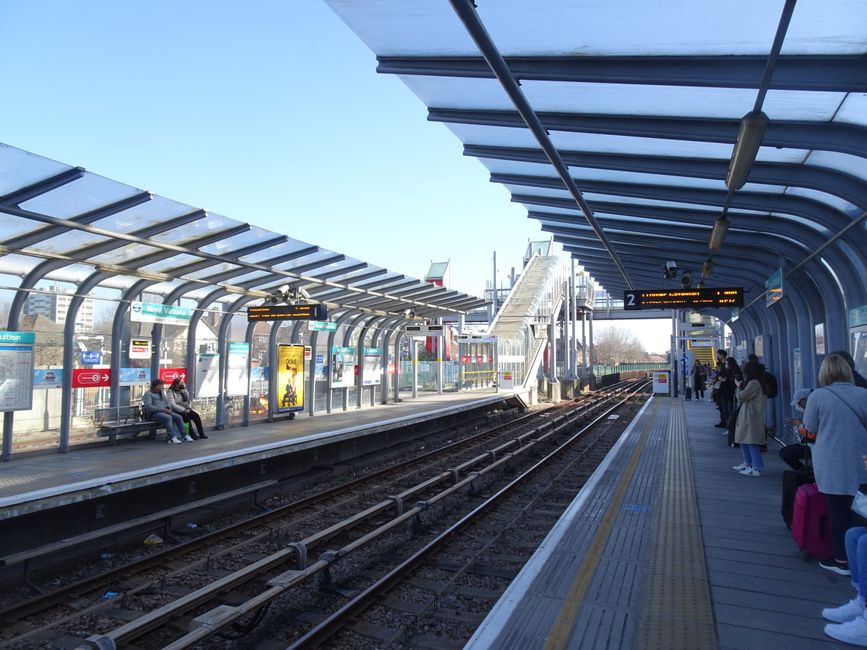
Rotherhithe Overground removals pickup and drop off guide

If you are moving in or around Rotherhithe, the Overground can be a real convenience for the day itself - but only if the pickup and drop off plan is tight. A good Rotherhithe Overground removals pickup and drop off guide helps you avoid the classic moving-day headaches: blocked access, awkward loading, parking stress, and that slightly panicked moment when the van is circling and everyone is holding a sofa. Truth be told, a smooth move near a station is mostly about preparation, timing, and knowing what the street conditions will actually feel like at the kerb.
This guide walks through the practical side of planning a station-area removal in Rotherhithe, from choosing the right vehicle to organising loading, short stops, and final drop off. You will also find local-minded advice, a simple step-by-step process, mistakes to avoid, and a checklist you can use on moving day. If you want a broader look at services and options, it can help to browse the site's removals and man with a van pages while you plan.
Why Rotherhithe Overground removals pickup and drop off guide Matters
Station-adjacent moves are not the same as a standard house move where the van can pull up, load, and leave with little fuss. Around an Overground stop, there is usually more foot traffic, tighter curb space, occasional waiting restrictions, and more chance of being in someone else's way than you would like. That matters because every extra minute spent shuffling items from front door to van can add strain, delay, and risk of damage.
In Rotherhithe, the local street pattern can make the difference between a calm move and a very long morning. Narrow access, busy commuter windows, and the need to keep pavements clear are all part of the picture. If your pickup point or drop off point is near a station entrance, a clear plan becomes less of a nice-to-have and more of a necessity. You don't want a situation where the van is fine, the boxes are packed, and then nobody can legally or safely stop where they need to.
There is also the trust angle. A well-run removal near a transport hub tells you a lot about the operator. Can they adapt to real London conditions? Do they know how to manage loading without causing a queue? Do they think ahead about access, timing, and protection for furniture? These are the small details that separate a smooth move from a stressful one.
For many customers, this guide is less about the station itself and more about confidence. Once you understand the route from property to vehicle, and vehicle to destination, the rest of the move feels much more manageable. That bit of certainty is worth a lot on moving day.
How Rotherhithe Overground removals pickup and drop off guide Works
The practical process is simple at heart: a removal vehicle arrives as close as possible to your pickup location, items are loaded in a safe order, the vehicle travels to the drop off point, and the process is reversed. The tricky part is not the lifting. It is the logistics around where the vehicle can stop, how long it can stay there, and whether the access route is clear for both people and furniture.
For a station-area move, the best way to think about it is in three layers:
- Access planning: Can the van reach the address without unnecessary reversing, tight turns, or obstruction?
- Loading control: Is there enough space for the crew to work safely, with items protected and stacked properly?
- Timing: Are you avoiding the busiest periods so the pickup and drop off are not fighting commuter flow, school traffic, or delivery peaks?
In practice, the best moves are the ones that feel boring. The van arrives, the crew knows where to park or wait, the contents are ready, and the driver is not trying to solve access problems on the spot. That is what a proper removals plan gives you. You will notice the difference immediately if you have ever done the opposite.
A useful detail here: pickup and drop off do not have to mean long stays. Sometimes the best solution is a short, efficient loading stop with a second vehicle position or a quick shuttle setup if access is limited. The exact method depends on the property, the load, and the street conditions. If you need a flexible vehicle option, a removal van or a larger moving van may suit different jobs better than a one-size-fits-all approach.
Key Benefits and Practical Advantages
A good pickup and drop off guide saves more than time. It reduces friction across the whole move. That sounds obvious, but in real life it is the difference between three calm hours and a day of avoidable chaos.
- Less waiting around: When the stop point is planned, the crew spends less time hunting for space.
- Lower damage risk: Shorter carrying distances and clearer routes mean fewer knocks against walls, doors, and railings.
- Better scheduling: You can coordinate lift access, key handover, parking, and arrival windows more cleanly.
- Less stress for neighbours: Station areas are busy enough already; efficient loading keeps disruption down.
- More accurate quotes: A realistic access assessment helps a mover estimate time and vehicle needs more reliably.
There is a practical money angle too. Poor access can push a small move into a longer, costlier day. A more suitable vehicle, or a better start time, often prevents that. If you are comparing service levels, it is worth looking at pricing and quotes early rather than leaving it until the day before. Small planning changes can make a noticeable difference. Really can.
Another benefit is peace of mind. When people know exactly where the van is stopping and how items are moving in and out, they relax. And a relaxed move tends to go better. Not always perfect. But better.
Who This Is For and When It Makes Sense
This kind of guide is useful for a wide range of people, not just big households or office relocations. In fact, some of the most challenging moves are the smaller ones because people assume they will be easy. Then they discover the lift is awkward, the street is tighter than expected, and the van cannot sit wherever it likes.
It makes sense if you are:
- moving home near Rotherhithe Overground
- bringing items into a flat with limited access
- collecting furniture from a property close to the station
- relocating a small office or studio and need fast loading
- trying to avoid peak-hour congestion and keep disruption low
- booking a flexible, local removals crew for a short-notice job
It also suits anyone who is deciding between a full removal company and a lighter-touch service. If you are only shifting a few items, a man and van option may be enough. If you are moving a whole household, then a fuller home moves service or house removals service may be more sensible.
And yes, it is also for people who are simply fed up with improvising. Some moves fail because the plan is too loose. A proper pickup and drop off guide gives shape to the day. That alone can save a lot of back-and-forth.
Step-by-Step Guidance
Here is the clearest way to plan a station-area removal in Rotherhithe without overcomplicating it.
- Check the property access first. Look at the doorway, stairs, lift, hallway width, and whether bulky furniture will need to turn corners. Don't assume the van matters more than the building. The building usually wins.
- Decide what vehicle size you actually need. A small job may suit a man with van arrangement, while a larger household may need a moving truck or bigger removal vehicle.
- Choose a realistic pickup window. Early morning can be calmer. Midday can work too, depending on the street. Avoid assuming that the "obvious" time is the best time.
- Prepare items for fast loading. Boxes should be closed, labels visible, and breakables clearly marked. Loose bits delay everything.
- Clear the route before the crew arrives. Hallways, bin areas, and the path to the van should be free where possible. It sounds basic, but this is where moves get bogged down.
- Confirm the drop off sequence. Decide which rooms the main items go into first. Bed, sofa, desk, washer - the big stuff should have a destination, not just a guess.
- Protect the load properly. Blankets, straps, and careful stacking matter. A van full of shifting furniture is nobody's idea of fun.
- Do a final sweep. Check cupboards, lofts, storage spots, and behind doors. You would be surprised how often one charger or small bag gets forgotten in the rush.
A small but useful habit: keep a "first-open" box for the destination property with kettle items, basic tools, chargers, toilet roll, and the things you will want immediately. It takes five minutes to prepare and saves a lot of grumbling later. At 7:30 in the evening, that box feels like genius.
Expert Tips for Better Results
Over time, the same patterns come up again and again. The best jobs are not necessarily the easiest ones; they are the ones where people think a little further ahead. Here are the tips that tend to make the most difference.
- Measure awkward furniture. Wardrobes, headboards, and sofas are the usual troublemakers. If something is nearly too big, treat it as too big until proven otherwise.
- Use colour coding for rooms. A marker pen or simple sticker system can save a surprising amount of time at drop off.
- Keep one person in charge. Too many voices at the door slows decisions down. One point of contact keeps the day calmer.
- Think about the weather. Rain changes everything in London. Protect mattresses, rugs, and cardboard, because damp boxes are miserable.
- Plan around station footfall. If the property is close to the Overground, avoid creating a bottleneck when commuters are moving through.
- Ask about loading order. Heavy items should go in first and be secured well. Light, fragile, and awkward items can then be layered around them.
If you are booking a crew, it is sensible to choose a provider that is comfortable with local access issues and safe handling. You can also review the company's insurance and safety approach so you know how they work. That is not overcautious. It is just sensible.
A slightly old-fashioned tip, but it works: walk the route from the front door to the van before moving starts. You will spot the snag points almost immediately. The loose handrail, the narrow corner, the weird step nobody mentioned. All of it.
Common Mistakes to Avoid
Most moving-day problems are preventable. Not all, but most. The snag is that people usually only notice the risk once the van is already waiting and the clock is running.
- Assuming stopping space will be available: Near stations, it often isn't. Always check the practical loading spot.
- Underestimating walking distance: Thirty extra metres with boxes is a lot longer than it sounds.
- Leaving packing too late: Half-packed rooms slow the whole move and make fragile items more vulnerable.
- Booking the wrong vehicle size: Too small means multiple trips. Too large can create access trouble. Neither is ideal.
- Forgetting building rules: Some properties have lift booking requirements, moving hours, or front-door access conditions.
- Not labelling boxes clearly: If everything looks the same, drop off turns into guesswork.
One thing that catches people out is the emotional side. On paper, the move looks straightforward. On the day, you are tired, maybe a little tense, and small issues feel bigger. That is normal. A clear pickup and drop off plan helps take some of that edge off before it starts.
Tools, Resources and Recommendations
You do not need fancy kit to make a station-area move work. The useful tools are usually the humble ones, the sort that disappear when you need them and suddenly feel essential.
- Furniture blankets: Good for protecting wooden items, mirrors, and polished surfaces.
- Ratchet straps or load restraints: Important for keeping items steady in transit.
- Labels and marker pens: Simple, cheap, and very effective.
- Tape and scissors: Always needed, always missing. Buy more than you think you need.
- Trolley or sack truck: Helpful for heavier boxes and appliances where the route allows it.
- Reusable bags or crates: Excellent for loose household items and small office materials.
On the service side, it helps to work with a provider that offers the right mix of support for your move. For example, if you are moving mixed household items and a bit of furniture, a removal services approach may be better than trying to piece everything together yourself. If you need help with fragile items and room-by-room unpacking, consider packing and unpacking services.
And if the move involves clearing or collecting a single item rather than a full load, furniture pick up may be the more practical fit. Not every move needs the same solution. A bit of honesty there saves money and stress.
Law, Compliance, Standards, or Best Practice
Any removal near an Overground station should be planned with care for road safety, pavement access, and local conditions. The key point is simple: do not create avoidable risk for pedestrians, drivers, or the people carrying items. In London, that means thinking ahead about where a vehicle can safely pause, how long it can stay, and whether the loading activity keeps access clear.
It is also best practice to use a remover that takes safety seriously in the ordinary sense of the word: proper handling, sensible lifting, load security, and clear communication. For a customer, that means asking practical questions before the day. What happens if access is tighter than expected? How are fragile items handled? Is there a plan for heavy furniture and stairs? These are fair questions, not annoying ones.
If you are choosing a company, review the wording on health and safety policy, terms and conditions, and the company's general approach to responsibility. A trustworthy mover should be comfortable discussing how they manage risk and customer property. If the answers are vague, that tells you something too.
For commercial or office work, the standards become even more important because timing, shared spaces, and business continuity matter. If that is your situation, commercial moves and office removals are worth comparing with your schedule and building rules.
Options, Methods, or Comparison Table
Different moves need different approaches. Here is a practical comparison that may help you choose the right fit.
| Option | Best for | Strengths | Watch-outs |
|---|---|---|---|
| Man and van | Small flats, a few large items, short local moves | Flexible, quick, usually easier for tight access | May not suit bigger loads or many boxes |
| Full house removals | Complete home moves, family relocations | More support, better for organised loading and larger volumes | Can be more than you need for a small job |
| Removal van / moving van | Mid-size loads, mixed items, easy curbside access | Balanced capacity and manoeuvrability | Must be matched carefully to the property access |
| Removal truck hire | Large moves, bulky furniture, office contents | Big capacity, efficient for larger volumes | Can be awkward in tight streets if not planned well |
In a place like Rotherhithe, where access can vary from one street to the next, the most useful option is often the one that matches both volume and road layout. Bigger is not always better. Sometimes the smoother move is the slightly smaller vehicle with the more sensible stopping plan. That's the boring truth, but it is true.
Case Study or Real-World Example
Here's a realistic scenario. A couple move out of a one-bedroom flat near the Overground, with a sofa, bed, wardrobe, about 20 boxes, and a few fragile kitchen items. The building has a narrow front approach and a shared entrance. At first, they think a single vehicle can simply pull up and unload. Easy, they say.
Then they walk the route properly. The front path is tighter than expected, the lift is small, and the street has just enough parking pressure to make an on-the-day stop uncertain. So they adjust the plan. The load is packed into labelled zones, the van arrives just after the morning rush, and the heaviest items are loaded first. One person manages keys and room directions at the drop off. The result? No frantic reshuffling, no damaged table legs, no one standing in the hallway asking where the kettle went.
What made the difference was not fancy equipment. It was the fact that the pickup and drop off were treated as part of the move, not an afterthought. That kind of thinking is exactly what you want in a local removal job. Simple. A bit careful. Very effective.
Practical Checklist
Use this checklist the day before and again on the morning of the move.
- Confirm the pickup and drop off addresses
- Check the access route from door to van
- Decide where the vehicle can safely stop
- Pack and label all boxes clearly
- Separate fragile items and mark them well
- Book lifts or building access if required
- Set aside tools, keys, chargers, and documents
- Measure large furniture and note any awkward pieces
- Protect floors and high-contact furniture surfaces
- Keep a first-open essentials box handy
- Walk through the property one final time before departure
If you are still comparing providers, it is sensible to read more about the company itself through about us and check practical details on insurance and safety. It is a small bit of homework, but it helps you choose with your eyes open.
Get a free quote today and see how much you can save.
Conclusion
A successful Rotherhithe Overground move is rarely about brute force. It is about timing, access, and making smart choices before the van arrives. Once your pickup and drop off plan is clear, the whole day becomes easier to manage, from the first box through to the last chair leg crossing the threshold.
Whether you are moving a single room, a flat, or a whole property, the same principles apply: keep the route clear, choose the right vehicle, label well, and think one step ahead. That is the difference between a frantic scramble and a move that feels under control. Not perfect, maybe. But under control, and that counts for a lot.
And if you take nothing else from this guide, take this: a calm move usually starts before the first lift of a box. A little planning goes a long way, especially around a busy station area. One small decision at the start can save ten headaches later.
Frequently Asked Questions
What is a Rotherhithe Overground removals pickup and drop off guide?
It is a practical planning guide for arranging where a removals vehicle stops to load at the pickup address and where it safely unloads at the destination, especially near Rotherhithe Overground.
Why does station access matter so much for removals?
Because station areas are usually busier, tighter, and less forgiving than quiet residential streets. Good access planning reduces delays, avoids obstruction, and helps protect your items.
Should I book a man and van or a larger removal service?
It depends on how much you are moving and how easy access is. Small local jobs often suit a man and van setup, while larger household moves may need fuller support.
How early should I plan the pickup and drop off?
As early as possible. Even simple moves can become complicated if you leave parking, access, and packing decisions until the last minute.
What if the van cannot stop right outside my building?
Then the load may need to be carried a little further, or the vehicle choice and timing may need adjusting. That is normal in London, and good movers plan for it.
Is a bigger van always better?
No. A larger vehicle may carry more, but it can be harder to place near tight streets or busy entrances. The best van is the one that fits the job and the access.
How do I prepare furniture for a station-area move?
Measure bulky items, remove loose parts, protect surfaces with blankets, and make sure anything fragile is wrapped and labelled clearly.
Do I need to tell the mover about lifts or stairs?
Yes, absolutely. Lift size, stair count, and hallway width all affect the plan, the timing, and sometimes the vehicle choice as well.
What should I do if the weather turns bad on moving day?
Protect cardboard, mattresses, and fabric items with covers or blankets, and keep the loading route as short and dry as you can. Rain is annoying, but manageable.
Can I use this guide for office moves too?
Yes, the same access and timing principles apply. For business relocations, you may also want to look at office relocation services or office removals.
How do I know if a removals company is trustworthy?
Look for clear communication, sensible safety practice, transparent pricing, and a willingness to explain how they handle access, insurance, and loading. If they are vague, that is usually not a great sign.
What is the best final check before the van leaves?
Do one last room-by-room sweep, check cupboards, confirm keys and documents, and make sure the essentials box is with you. It sounds simple, but it saves a lot of stress later.