




Bulky waste in SE16: appliances and furniture disposal
Posted on 04/07/2026
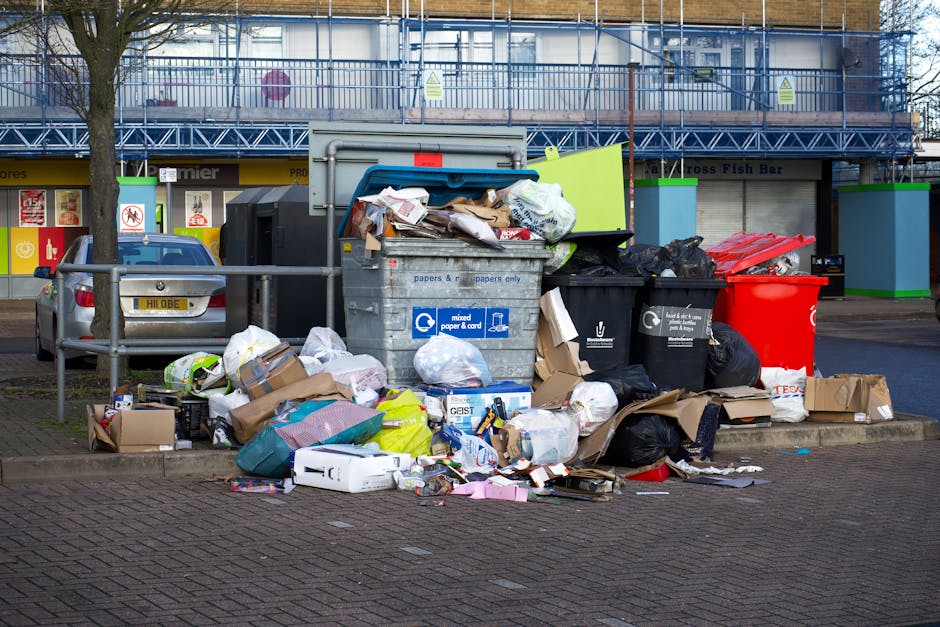
If you are staring at an old fridge in the hallway, a broken wardrobe in the spare room, or a sofa that simply will not fit back out of the flat, you are not alone. Bulky waste in SE16: appliances and furniture disposal is one of those jobs that looks straightforward until you start moving things around the stairs, the lift, the pavement, and the skip-sized reality of it all. In a place like SE16, where homes can be compact, access can be tight, and parking is rarely generous, the right disposal plan saves time, stress, and a lot of unnecessary lifting.
This guide walks through the practical side of disposing of large household items in South East London: what counts as bulky waste, how collection and removal usually work, when a professional service makes sense, and how to avoid the common mistakes that turn a simple clear-out into a weekend headache. You will also find a checklist, a comparison table, and some real-world advice based on the kind of jobs people often need done around the area.
Why bulky waste in SE16: appliances and furniture disposal Matters
Bulky waste is not just "big rubbish". It usually means items too large, awkward, or heavy for normal household bins and black bags. Think sofas, armchairs, wardrobes, beds, mattresses, washing machines, tumble dryers, fridges, freezers, cabinets, dining tables, and office furniture. These items create a different problem from day-to-day waste because they need space, lifting ability, transport, and often a little planning.
SE16 adds its own flavour to the challenge. Flats in Bermondsey, Surrey Quays, and Rotherhithe often involve stairwells, shared entrances, tight corners, narrow internal doors, and somewhere between "limited" and "non-existent" parking. If you have ever tried turning a fridge at the bottom of a stairwell, you will know the sound it makes when it nearly catches the wall. Not ideal.
There is also the environmental side. Many bulky items can be reused, repaired, or recycled in part, but only if they are handled properly. A sofa with usable structure, a fridge with recoverable metal, or a desk with salvageable timber should not be treated the same as general household rubbish. Good disposal practice reduces waste, avoids damage, and helps keep the area tidy.
It matters for safety too. Lifting a heavy wardrobe without the right technique can lead to injuries, cracked plaster, damaged bannisters, and a lot of swearing under your breath. If you want a reminder of why lifting technique matters, take a look at our guide to safer lifting and our advice on moving heavy items alone. Those little decisions make a big difference.
How bulky waste in SE16: appliances and furniture disposal Works
In practical terms, there are usually four routes for getting rid of bulky items: reusing them, selling or giving them away, arranging a collection, or using a removal team that can carry and transport them for you. The right route depends on the condition of the item, how quickly it needs to go, and whether you can physically get it out of the property without a wrestling match.
The first step is assessment. Ask yourself: is the item still usable? Is it safe to move? Does it contain anything that needs special handling, such as refrigerant in a freezer or sharp internal metal parts in an old bed frame? If the answer is yes to the latter, you need to be a bit more careful.
For furniture, the key issue is size and exit route. A sofa may look manageable in the lounge but become a problem the moment it meets the stairwell. Beds, wardrobes, and large cabinets often need partial disassembly. That is why careful packing and moving preparation matters even for disposal jobs; the same logic covered in our decluttering guide applies here too. Declutter first, move once.
Appliances need another layer of thought. Fridges and freezers should be defrosted and dried before moving. Washing machines should be disconnected properly and secured so they do not rattle themselves to bits in transit. If you are not sure how to prepare a freezer or fridge safely, it is worth reading how to store your freezer when unplugged and how to store your freezer correctly, because the same practical handling principles apply.
Once the item is ready, it is collected, loaded, and taken to the appropriate destination: reuse channel, recycling route, or disposal facility. A good provider will also think about access, loading timing, and whether more than one person is needed for lifting. That part sounds obvious, but honestly, a surprising number of problems start with one person trying to do the work of three.
Key Benefits and Practical Advantages
When bulky waste disposal is handled well, the benefits are immediate. You regain space, reduce clutter, and avoid leaving half-finished jobs sitting in the middle of your home for days. There is also a mental shift. A room feels different once the old sofa or broken chest of drawers is gone; quieter somehow. Less crowded.
- Safer removal: heavy lifting is reduced, which lowers the risk of personal injury and property damage.
- Faster turnaround: one planned collection is usually easier than several improvisations.
- Better use of space: ideal for end-of-tenancy clear-outs, redecorating, or downsizing.
- Cleaner presentation: useful if you are preparing a property for sale, letting, or handover.
- Improved environmental handling: reusable and recyclable items are more likely to be diverted from landfill.
There is a commercial benefit as well. If you are moving house, disposing of old furniture before the move can reduce the number of items that need lifting, wrapping, and transporting. That can simplify the whole process. In fact, pairing disposal with the planning advice in our packing strategy guide or our calm house move guide can make a busy week feel much more manageable.
Expert summary: the best bulky waste plan is rarely the most dramatic one. It is usually the simplest route that gets the item out safely, legally, and without leaving a mess behind.
Who This Is For and When It Makes Sense
This topic is relevant to a lot of people, more than you might think. Some are moving out of a rented flat and need to leave the place spotless. Others are replacing a broken appliance after years of service. Some are clearing a family home, preparing for renovation, or simply trying to reclaim a room that has turned into a storage zone. We have all seen one of those rooms.
It tends to make sense when:
- you have one or two large items rather than a full house clearance
- the items are too heavy or awkward to move safely on your own
- the building has difficult access, narrow stairs, or limited parking
- you need the removal done quickly, maybe even the same day
- you are trying to avoid damage to walls, floors, or communal areas
- you want a cleaner, more predictable route than hiring a van and improvising
Students, flat-sharers, landlords, estate agents, small businesses, and homeowners all run into bulky waste issues for slightly different reasons. A student in SE16 might be clearing a mattress and desk at the end of term. A landlord may need a fast turnaround between tenancies. A homeowner may be replacing white goods after a kitchen refit. The details change, but the underlying need is the same: move the item out without creating another problem.
If your bulky waste is part of a larger move, it can help to think a step ahead. For example, if a sofa is being removed before a new one arrives, our sofa storage guide may still be useful if you are keeping items temporarily in storage. And if you are juggling a bigger property move, storage support in Rotherhithe can sometimes bridge the gap between disposal and delivery.
Step-by-Step Guidance
Here is a straightforward way to handle bulky waste in SE16 without making life harder than it needs to be.
- Identify each item clearly. List what is going, whether it is furniture, an appliance, or mixed bulky waste. Note the dimensions if the item looks awkward.
- Check condition and safety. Decide whether it can be reused, repaired, recycled, or should be treated as disposal only. Look for loose glass, sharp metal, leaked fluids, or unstable frames.
- Measure access. Door widths, stair turns, lift size, hallway space, and external access all matter. In SE16, access is often the hidden challenge.
- Prepare the item. Remove drawers, shelves, loose cushions, cords, or detachable parts. Defrost appliances and secure doors if needed.
- Protect the property. Lay down covers where needed and clear the route. That tiny bit of preparation saves scratched paintwork and chipped plaster.
- Choose the removal method. Reuse, donation, collection, or a removal service. Match the method to the item and the timeframe.
- Schedule the lift and loading. Make sure someone is available, parking is workable, and the route is realistic. Not optimistic. Realistic.
- Confirm the final destination. Reuse, recycling, or disposal should be appropriate for the item type and its condition.
If you are doing this alongside a house move, it often helps to combine the disposal with other tasks. For instance, a quick pre-move sort can sit neatly with our moving-out cleaning advice. Small wins stack up faster than people expect.
Expert Tips for Better Results
A few practical tips make bulky waste disposal much smoother, especially in an area with mixed housing stock and tricky access.
First, strip items down where possible. A wardrobe that is fully assembled may be too awkward to turn, but flat-packed panels are far easier to carry. The same applies to beds, tables, and shelving units. Even removing one drawer at a time can change the whole job.
Second, think in routes, not just items. The item might fit through the front door but not the turn onto the landing. Or it fits through the hallway but blocks the stairwell for everyone else. That is where careful planning pays off.
Third, do not underestimate weight distribution. A washing machine and a slim cabinet are not the same beast at all. One is dense and awkward; the other is light until it catches the wind or the staircase rail. Funny how that works.
Fourth, protect communal spaces. In flats, you need to be considerate of neighbours and shared access. Keeping the route clear, limiting noise where possible, and not leaving items in the corridor "for a minute" all help. That minute has a habit of becoming an hour.
Fifth, ask for help before the point of no return. If you are dealing with something oversized, fragile, or genuinely heavy, it is better to book proper help than to soldier on and risk injury. If you need practical support, man and van help in Rotherhithe or broader removal services may be more efficient than a DIY attempt that goes sideways.

Common Mistakes to Avoid
Most bulky waste problems are not caused by the item itself. They are caused by a rushed plan. Here are the mistakes that come up again and again.
- Leaving it until the last minute. This is the big one. Delays usually mean more stress, less choice, and worse access timing.
- Guessing the size. "It should fit" is not a measurement. Doors and stair turns are unforgiving.
- Forgetting appliance prep. Moving a wet, unplugged freezer can create mess and smell, and nobody wants that lingering in the van.
- Ignoring weight. Two people may still be nowhere near enough for some items, especially pianos, large cabinets, or heavy appliances.
- Dragging items across floors. It may feel quicker in the moment, but it can wreck flooring in seconds.
- Blocking shared access. This is especially awkward in apartment blocks. Be considerate and keep the route clear.
- Mixing rubbish types together. Some items need different handling, and bundling everything into one pile can create avoidable confusion.
A small but useful point: people sometimes forget that bulky waste is not always one-off waste. If you are also clearing boxes, packaging, or leftover move debris, the job gets bigger quickly. Planning around packing and boxes support can save a second round trip later.
Tools, Resources and Recommendations
You do not need a warehouse of equipment to deal with bulky waste properly, but the right basics help. At minimum, useful items include work gloves, furniture sliders, a tape measure, strong packing tape, blankets or wraps for protection, and a trolley or sack truck if the item type allows it. For heavier lifting, straps and a second person are often more valuable than brute force.
For appliances, keep towels or absorbent cloths nearby in case of condensation or trapped water. For furniture, soft wraps help protect doorframes and stair edges. A small toolbox is handy too, because a lot of removals suddenly become disassembly jobs. Of course they do.
It also helps to have a plan for the awkward bits. If you expect difficult access around stairwells, narrow roads, or low-clearance parking, local knowledge matters. The following may be useful if your bulky item is part of a wider move in SE16 or nearby:
If you are comparing providers, ask about lifting capacity, insurance, access planning, and whether dismantling is included. A cheap quote that ignores the stairs is not really cheap once the job starts to unravel.
Law, Compliance, Standards, or Best Practice
Bulky waste disposal in the UK should be handled with care and common sense. While the exact process can vary depending on the item and who is collecting it, the best practice is straightforward: do not abandon items in communal areas, do not leave furniture on the pavement without proper arrangements, and make sure anything handed over is going to a legitimate disposal or reuse route.
For appliances, extra care is sensible because some items can contain materials that need specific handling. Fridges and freezers, for example, should be treated differently from a wooden chair or a coffee table. If you are not sure how an item should be prepared, ask the removal team or check the service terms before the day of collection. Guesswork is a poor substitute here.
Good providers should also have clear policies on safety, insurance, and customer handling. If you are booking professional help, it is worth looking at pages such as insurance and safety, health and safety policy, recycling and sustainability, and terms and conditions. Those pages help you understand how the service is run and what standards are expected.
There is also a practical compliance angle for tenants and landlords. If you are moving out, the property normally needs to be left in an acceptable condition, and bulky waste left behind can create avoidable issues. It is one of those things that seems minor until it suddenly is not. A tidy handover saves arguments later.
Options, Methods, or Comparison Table
There is no single best method for every bulky waste job. The right choice depends on urgency, item condition, access, and how much help you need. This table gives a simple comparison.
| Method | Best for | Advantages | Limitations |
|---|---|---|---|
| Reuse or donation | Items in good condition | Can extend the life of furniture and reduce waste | Not suitable for damaged or unsafe items |
| Self-managed disposal | Small numbers of manageable items | Flexible and sometimes low cost | Requires time, transport, lifting ability, and access planning |
| Professional removal | Heavy, awkward, or time-sensitive items | Safer, faster, and easier for access challenges | Usually costs more than doing it yourself |
| Combined move and clearance | House moves and decluttering jobs | Efficient and convenient, especially for multiple items | Needs good coordination and clear instructions |
If you are weighing up whether to use a van, a man and van team, or a full removal crew, think about the item itself first. A single chair is one thing. A fridge-freezer plus wardrobe plus mattress is another story entirely. For many SE16 properties, the difference between "manageable" and "messy" is access, not just volume.
Case Study or Real-World Example
A typical SE16 scenario goes like this. A couple in a second-floor flat decides to replace a sofa, a small fridge, and a bed base before redecorating. The sofa has to come down a narrow staircase with a turn at the bottom. The fridge is old, a bit damp at the back, and heavier than it looks. The bed base is split but still awkward because of the slats and fittings.
At first glance, it seems like a "quick clear-out". In reality, the job needs measuring, safe disassembly, appliance prep, and a vehicle that can load close enough to the entrance without blocking residents. The couple initially considers borrowing a van and asking a friend to help. Then they notice the stairwell turn. Then they notice the fridge. Then they sensibly decide, actually, maybe not.
By clearing the route, removing loose parts, and booking help for the lifting and transport, the whole job becomes calmer. No scratched walls, no strained backs, no last-minute panic when the sofa catches the banister. That kind of practical planning is what makes bulky waste disposal feel easy in hindsight, even if it never feels glamorous at the time.
If your own situation includes multiple heavy items, you may also want to read furniture removal support and bed and mattress relocation tips. Those are the jobs that often sit in the same "this looks simple, but..." category.
Practical Checklist
Use this quick checklist before you book or begin:
- Have I listed every bulky item that needs to go?
- Have I checked whether any item can be reused, donated, or sold?
- Have I measured the item and the access route?
- Have I cleared drawers, shelves, loose parts, and cables?
- Have I defrosted or disconnected appliances where needed?
- Have I protected walls, floors, and shared areas?
- Have I arranged suitable help for lifting?
- Do I know where the item is going next?
- Have I checked timing, parking, and access constraints?
- Have I confirmed insurance and safety basics if using a professional team?
Useful reminder: if the job is part of a move, combine it with decluttering and packing work so you are not paying twice for avoidable labour. That sounds obvious. In the real world, people forget all the time.
Conclusion
Bulky waste in SE16: appliances and furniture disposal is easiest when you treat it like a logistics job, not just a tidying job. Measure first, prepare properly, and choose the removal method that fits the item rather than the one that seems quickest in the moment. In a neighbourhood where access can be tight and lifting can be awkward, those little decisions save a lot of hassle.
Whether you are clearing a sofa, a mattress, a fridge, or a whole cluster of old furniture, the goal is the same: get the item out safely, keep the property protected, and avoid turning a simple disposal into a stressful half-day. Truth be told, a calm plan nearly always beats a hurried one.
If you want a smoother route, take a moment to compare your options and choose the approach that fits your space, your timeframe, and your back. There is no prize for making it harder than it needs to be.
Get a free quote today and see how much you can save.
A well-handled clear-out has a way of lightening the whole home, not just the room you emptied.